
Axis II · 2012-2018 · completed experience

Schools and higher institutes.

For six years, from 2012 to 2018, international students aged 16 to 19, selected by partner-country governments, attended Calabrian technical and vocational schools on scholarships.

A completed experience that built the network of relationships the Programme still works with today.

How it worked.

With the 2012 Programme Agreement, the Calabria Region, the Regional Education Office, the five provinces, eight municipalities and nine schools recognised the Programme; in the following years Sant'Agata d'Esaro, Scigliano, Diamante, Cosenza, Santa Severina, San Demetrio Corone and, in Campania, the Convitto Nazionale Tasso in Salerno joined.

The Egyptian Embassy and the Misr El Kheir Foundation, the Ministries of Education of Iraqi Kurdistan and Liberia, Paraguay's Ministries of Women and Labour and the Province of Río Negro selected the students.

Alongside the vocational courses came the Peace and International Cooperation pathway, the Liceo della Pace, launched by the classical lyceum of San Demetrio Corone and extended to that of Santa Severina. Scholarships covered board, accommodation, school costs, health insurance and residence permit. Courses focused on the sectors in which the students' countries were investing.

This experience created the ties with governments and institutions that now support the Programme's other activities.

Training sectors

Agriculture, Surveying, Computing, Mechanics and mechatronics, Goldsmithing, Woodworking, Hospitality and tourism.

Guests in schools per school year

2012/13
Egypt
340
2013/14
Iraqi Kurdistan
42
2014/15
Iraqi Kurdistan
42
2015/16
Iraqi Kurdistan, Liberia
97
2016/17
Iraqi Kurdistan, Liberia, Paraguay, Somalia
124

Students and tutors. Source: Pitagora Mundus Programme report, Axis II.

The educational model

Out of the classroom, into the community.

Alongside their hours at school, students took part in extracurricular activities designed to address sustainable development in concrete terms, in its cultural, economic, social and environmental dimensions: cultural, scientific and language workshops, figurative art, photography and video, sport, discovery of the local area, gastronomy and local history.

01IndicatorsThe reference points that guide every action.
02ActionsThe activities through which the pathway takes shape.
03Expected resultsThe verifiable outcomes of each activity.
04ImpactThe overall effect towards which the whole pathway strives.

The pathway's indicators

Sustainable Development Goals

The 17 goals of the 2030 Agenda, adopted by the United Nations in September 2015, were the cross-cutting thread of the meetings: every theme was also read from the perspective of poverty, inequality, climate and peace.

At school with business

The Programme supported school-work alternation with guidance, company visits, work placements and tutor training, in line with the protocol signed in 2003 by Unioncamere and the Ministry of Education.

Decentralised cooperation

Students, schools, families and communities in the countries of origin and in the host country took part in person. The main tool was intercultural dialogue between people of different languages, cultures and religions.

The workshops

Audiovisual windows

In the audiovisual workshop students wrote, filmed and edited videos and photographs, and reported on their activities through the Programme's channels.

Educating through sport

Sport as a school of team spirit, solidarity, tolerance and fair play, and as an opportunity for Italian and international classmates to meet.

Egypt · 2012-2017

From Egypt to the schools of Calabria.

The pathway with Egypt began in Fuscaldo: in the 2011/12 school year the ITIS “E. Fermi” welcomed 130 Egyptian students in a first pilot experience. On that basis, in March 2012 the Calabria Region, the Regional Education Office, the five provinces, the municipalities and the host schools signed a programme agreement that took Pitagora Mundus to a regional scale.

The courses followed the fields indicated by the Egyptian side, together with the Cultural Centre of the Egyptian Embassy and the Misr El Kheir Foundation: agriculture and animal husbandry, health and social care services, tourism. In five years Calabrian schools trained 323 Egyptian students.

323Egyptian students trained
5years of activity, from 2012 to 2017
5signatory Calabrian provinces
3fields: agriculture, health, tourism

The institutions

Calabria Region, Department of Culture; Regional Education Office for Calabria; Provinces of Catanzaro, Cosenza, Crotone, Reggio Calabria and Vibo Valentia.

The municipalities

Decollatura, Cutro, Isola di Capo Rizzuto, Serra San Bruno, Palmi, Fuscaldo, Bocchigliero, Campana.

The schools

IIS “G. Ferraris” in Palmi, IISS Polo in Cutro, IIS “L. Costanzo” in Decollatura, ISS “L. Einaudi” in Serra San Bruno, IC in Campana, ITIS “E. Fermi” in Fuscaldo.

Iraqi Kurdistan · 2013-2018

From Iraqi Kurdistan to Calabrian schools.

From 2013 to 2018, under the agreement with the Kurdistan Regional Government of Iraq, Kurdish students selected by the Ministry of Education in Erbil attended the upper secondary schools of Scigliano, Sant'Agata d'Esaro and Diamante, staying in the schools' boarding facilities.

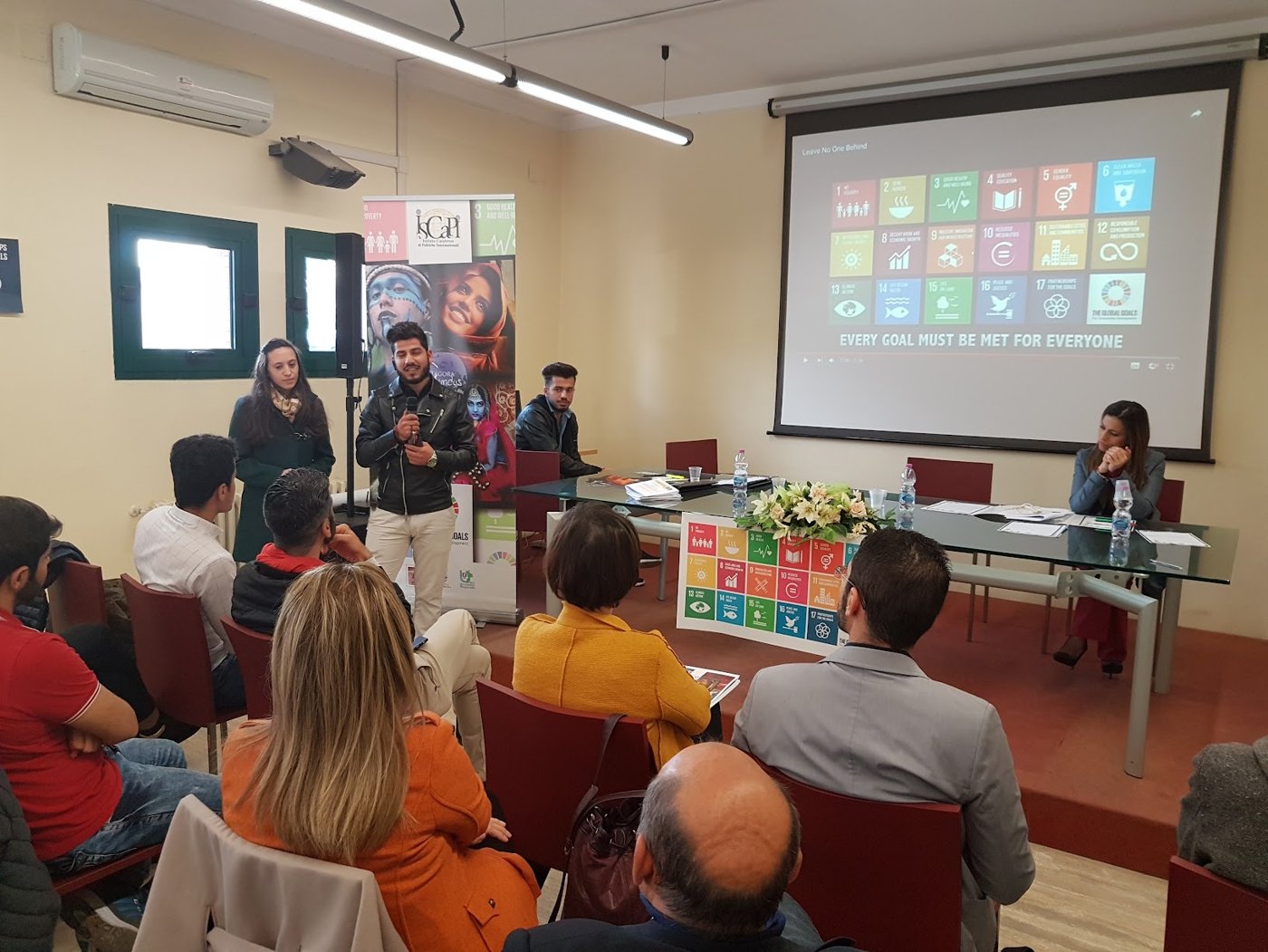
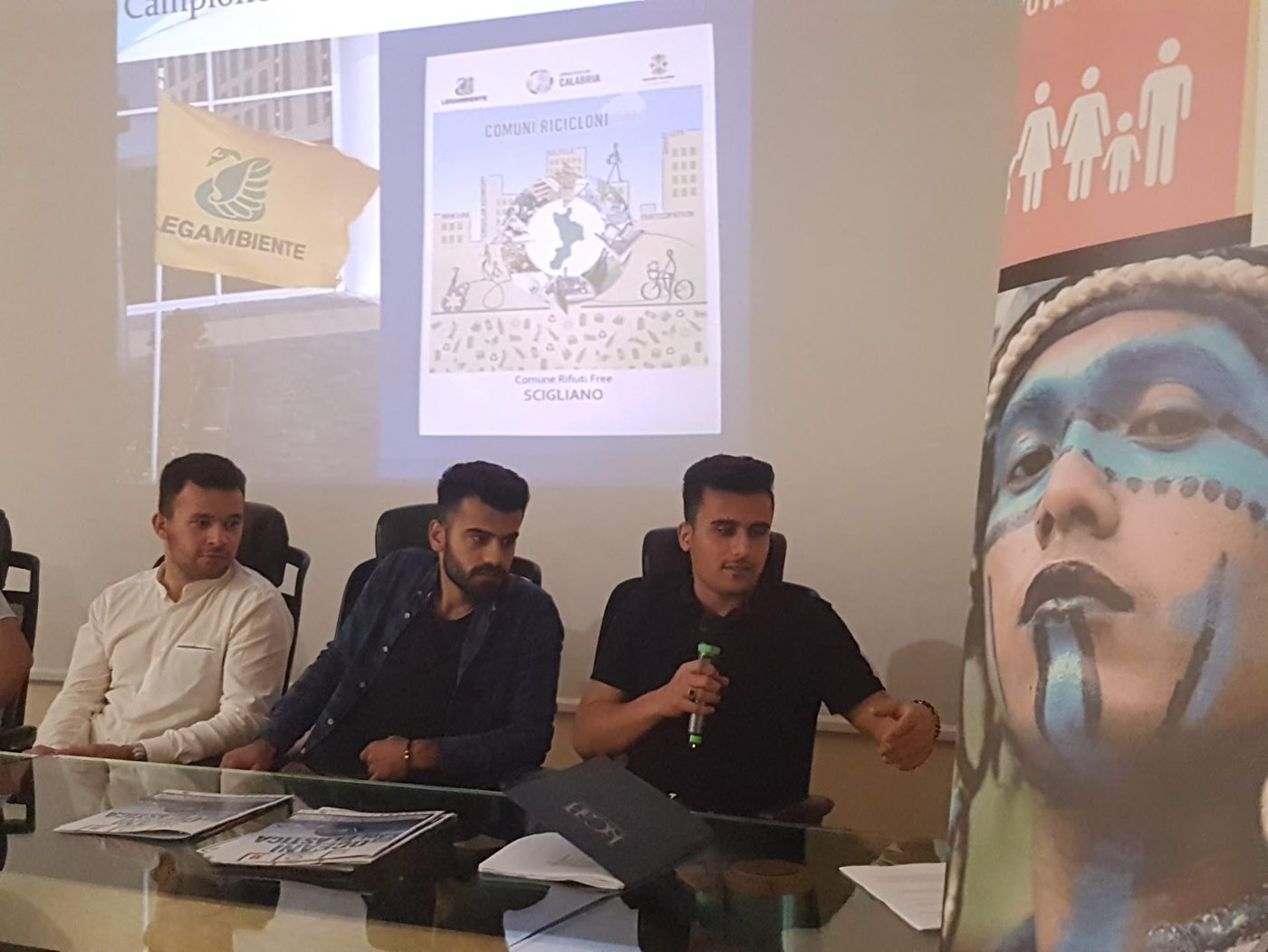
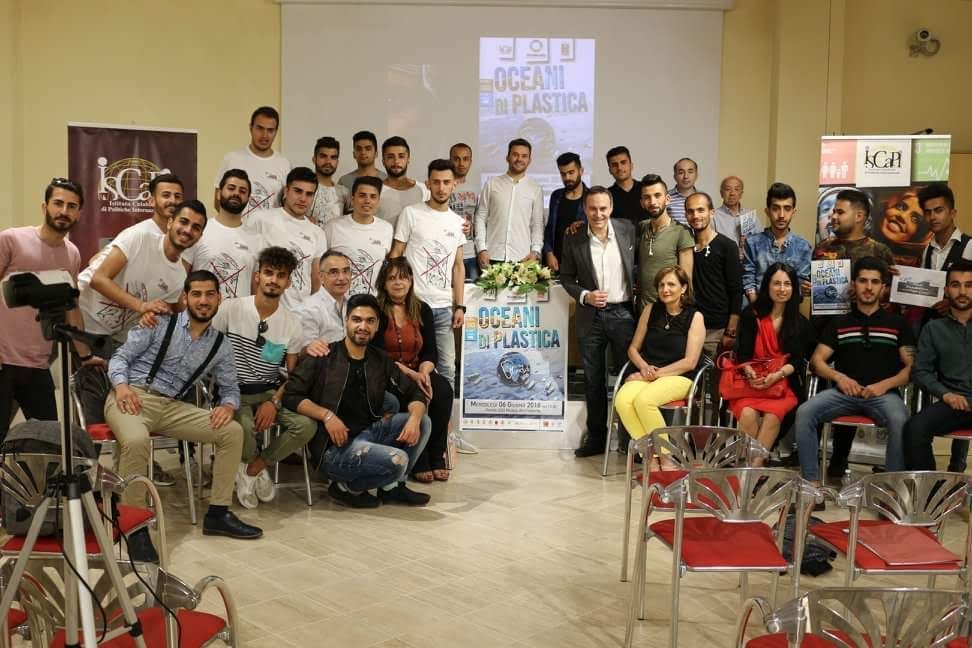
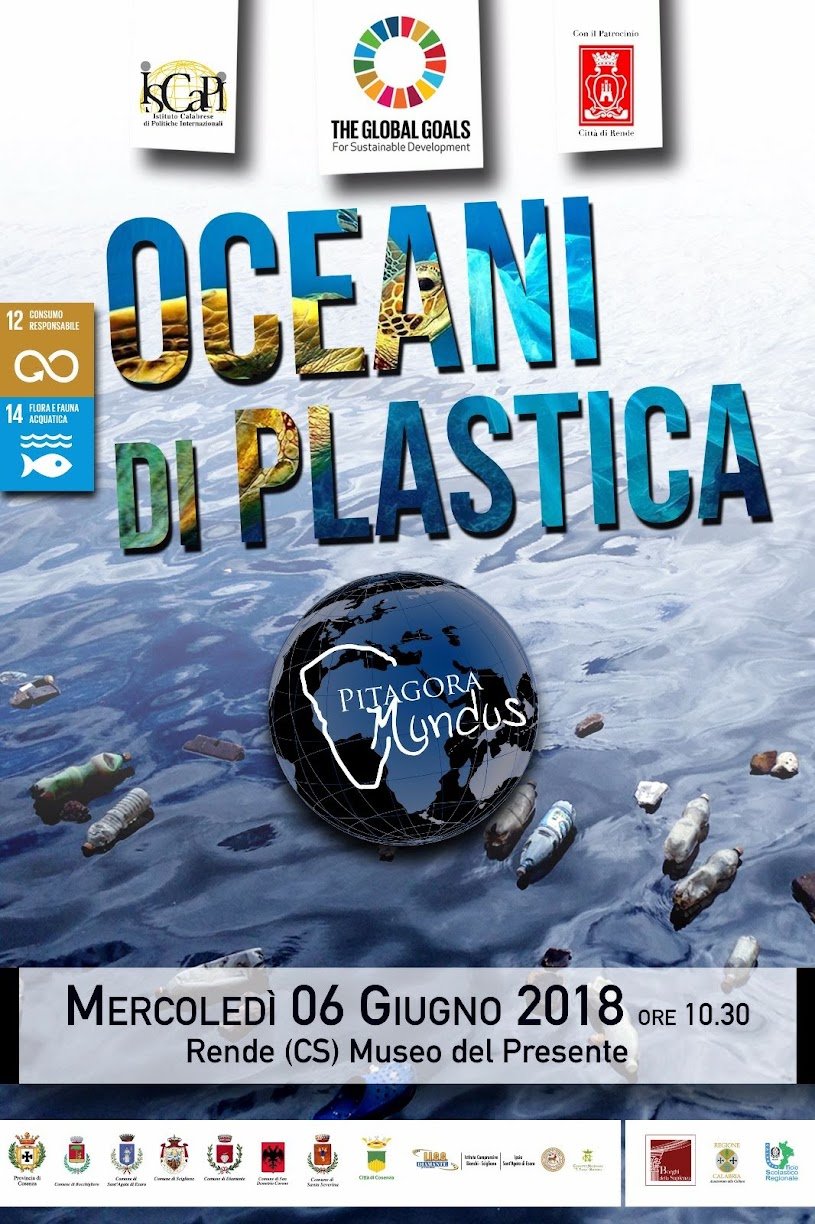
Alongside lessons, the Programme organised public meetings on the themes of the 2030 Agenda. On 6 June 2018, at the Museo del Presente in Rende, the students presented “Oceani di plastica”, devoted to Goals 12 and 14, under the patronage of the City of Rende.

A meeting on the Sustainable Development Goals
The students at the speakers' table
Rende, 6 June 2018: the “Oceani di plastica” group
A student presenting their work
The poster for “Oceani di plastica”
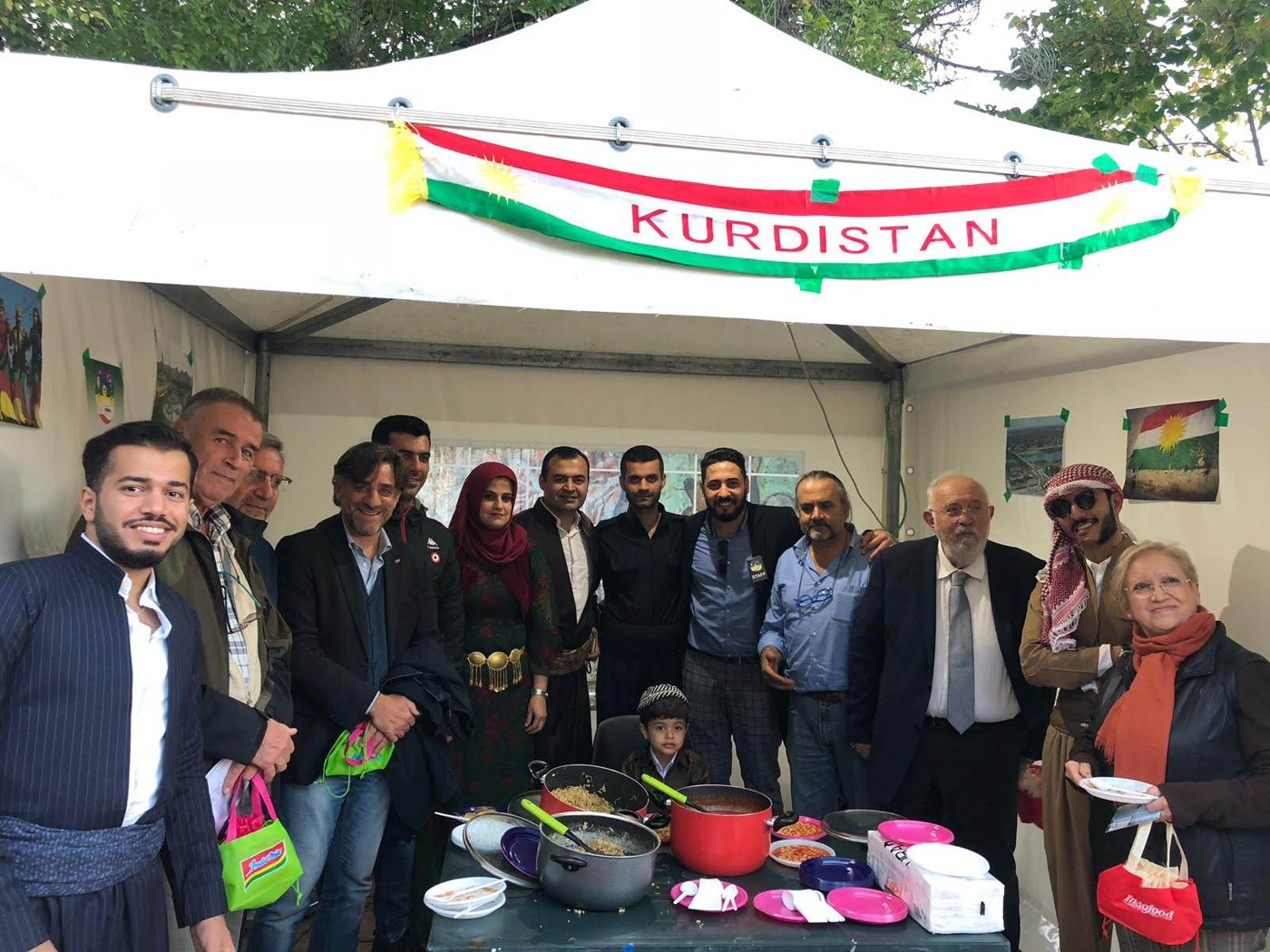
The Kurdistan stand
The Kurdistan stand
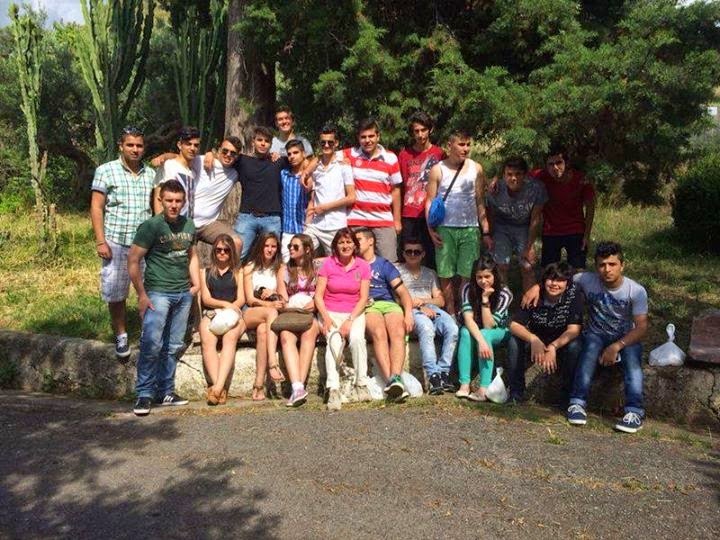
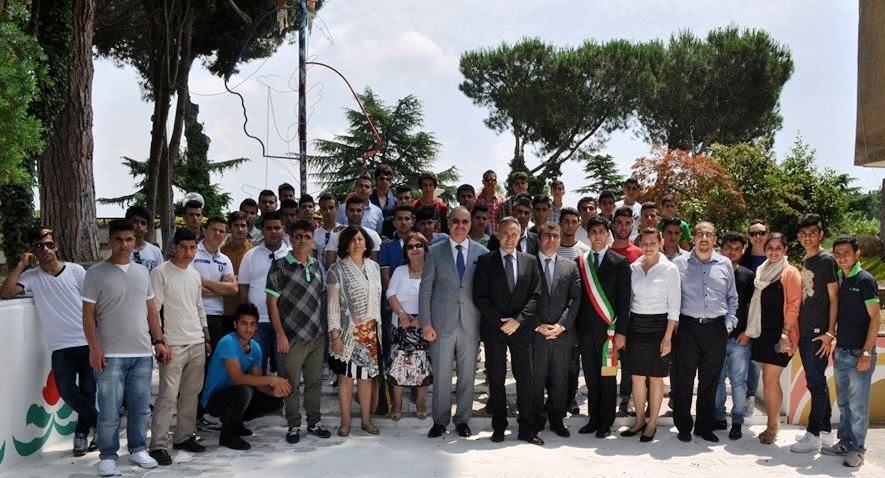
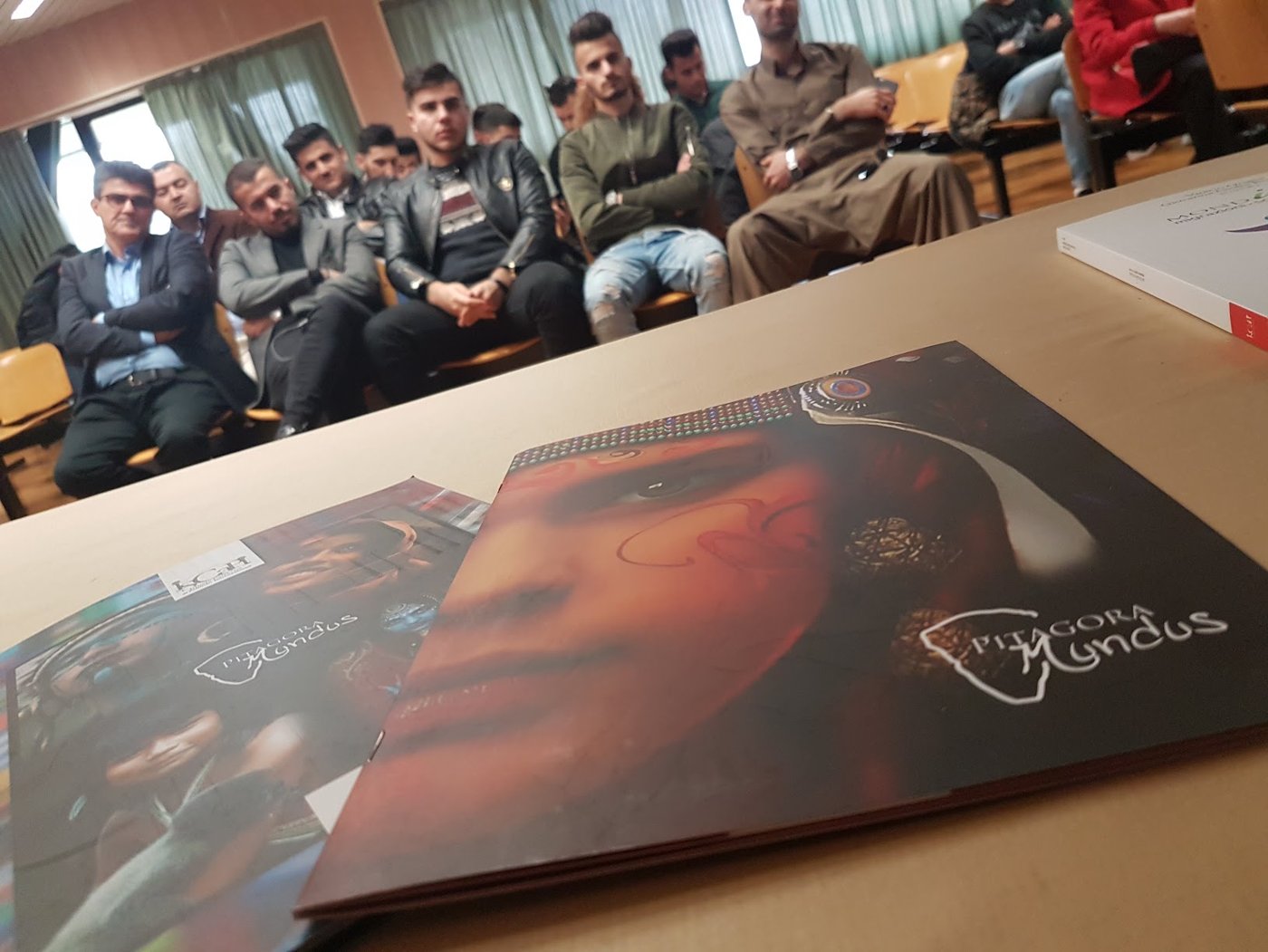
Students and teachers at a Programme meeting
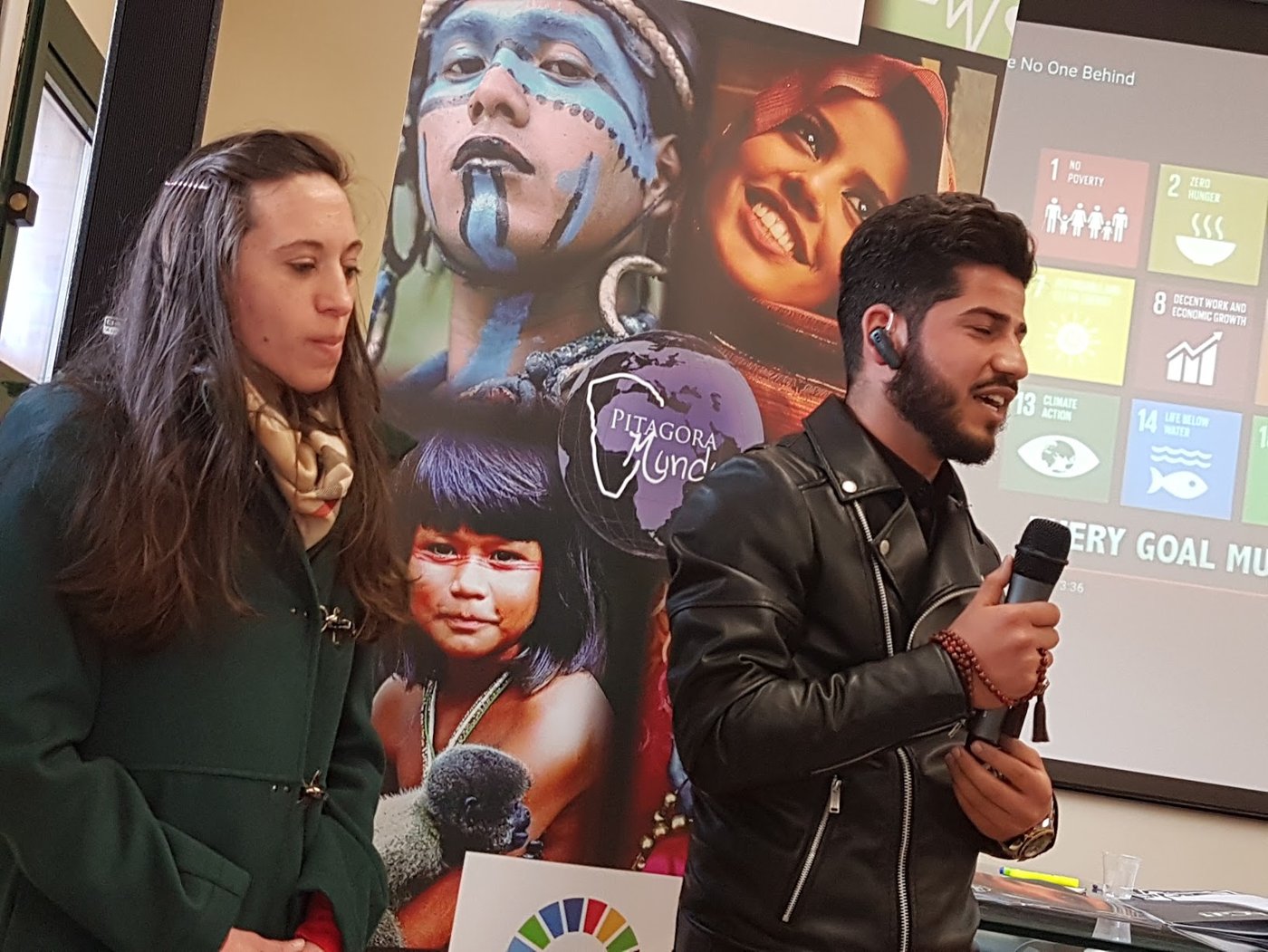
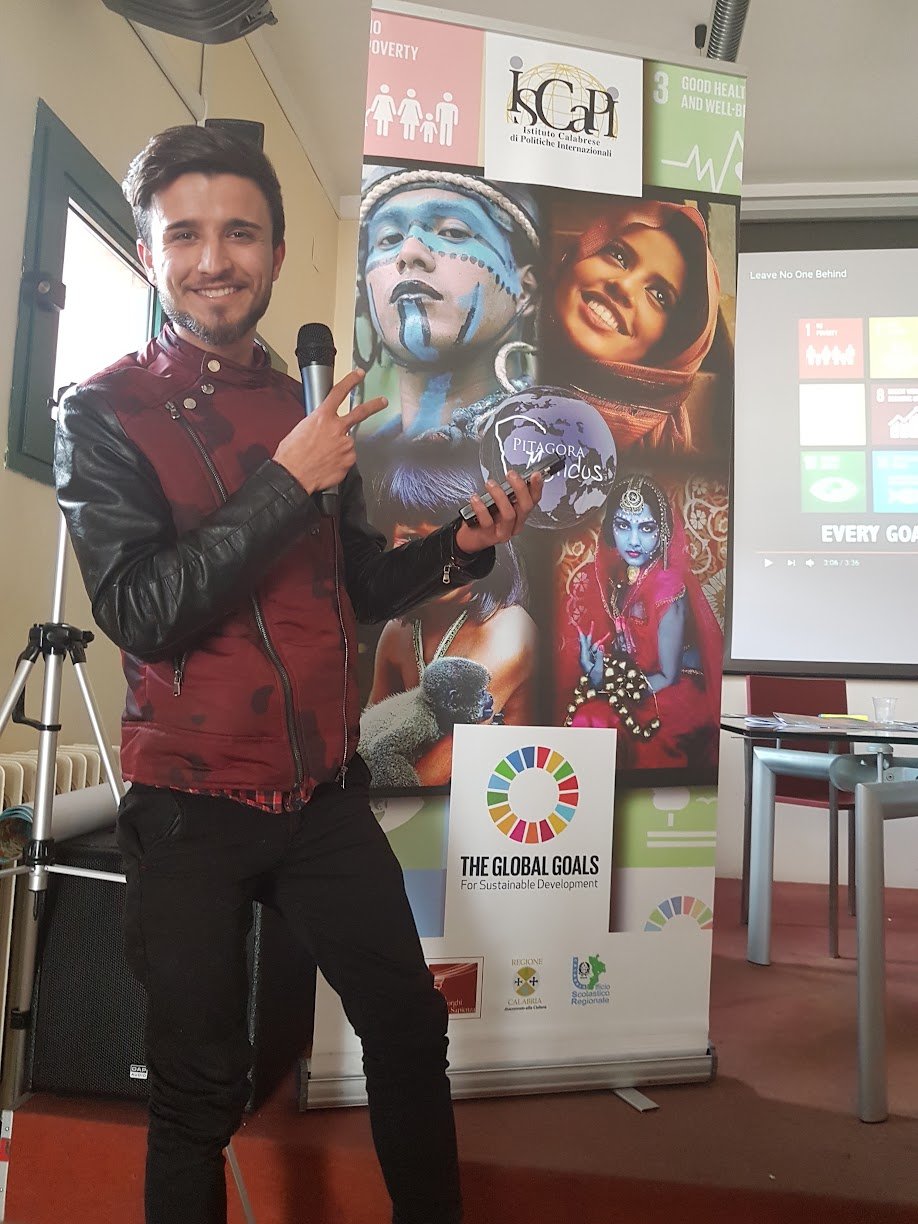
At the microphone, beside the Programme's roll-up banner

25 September 2015 · Expo Milano

At the Italy Pavilion of Expo Milano 2015.

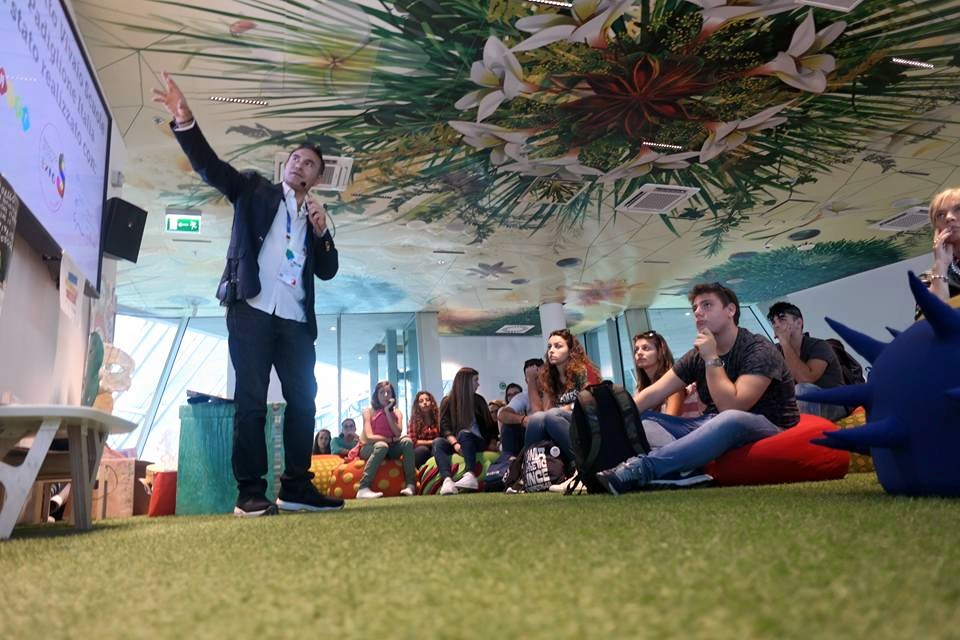
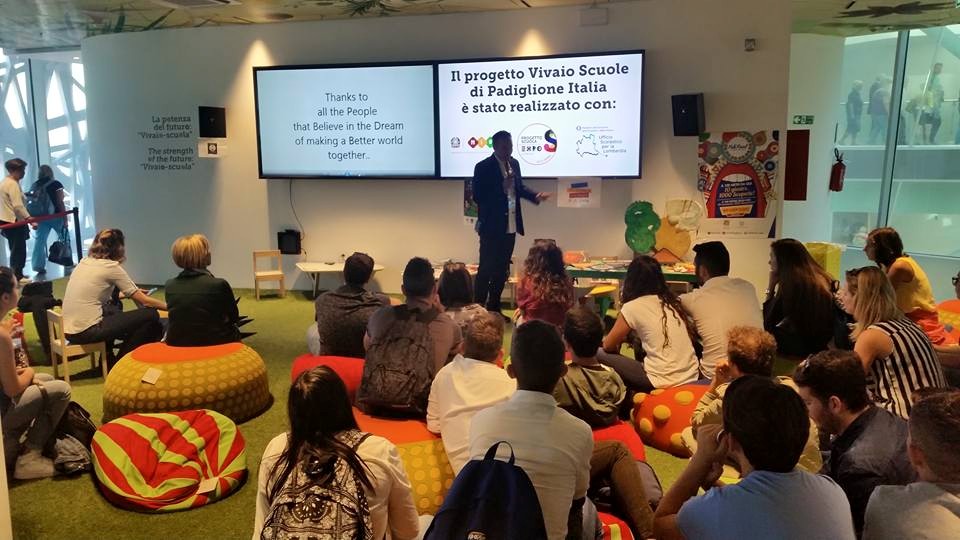
In 2015 the Programme was selected as a programme of excellence in the VivaioScuole project, organised by MIUR with Expo Milano 2015 as part of Progetto Scuola. On 25 September it was presented at the Italy Pavilion, in collaboration with the Regional Education Office for Calabria, with students and teachers from the IIS in Diamante, the lead school, and the IPA in Scigliano.

VivaioScuole brought together 736 projects from schools of every type and level, from all of Italy's regions. The presentation concluded the pathway of the 2014/2015 school year, devoted to the themes of Expo: water, biodiversity, the sustainable city, the women who feed the world.

Presentation of the Pitagora Mundus Programme at the Italy Pavilion, Expo Milano 2015
Italy Pavilion, VivaioScuole space
VivaioScuole presentation at the Italy Pavilion with students from Calabrian schools
Students and teachers from the Programme's schools

Italy-Paraguay pilot project · 2016

From Paraguay to Santa Severina and Palmi.

On 22 September 2015, in Santa Severina, l'IsCaPI and Paraguay's Ministry of Labour signed a memorandum of understanding for a pilot cooperation project in agriculture, agri-food, food and wine, and sustainable tourism.

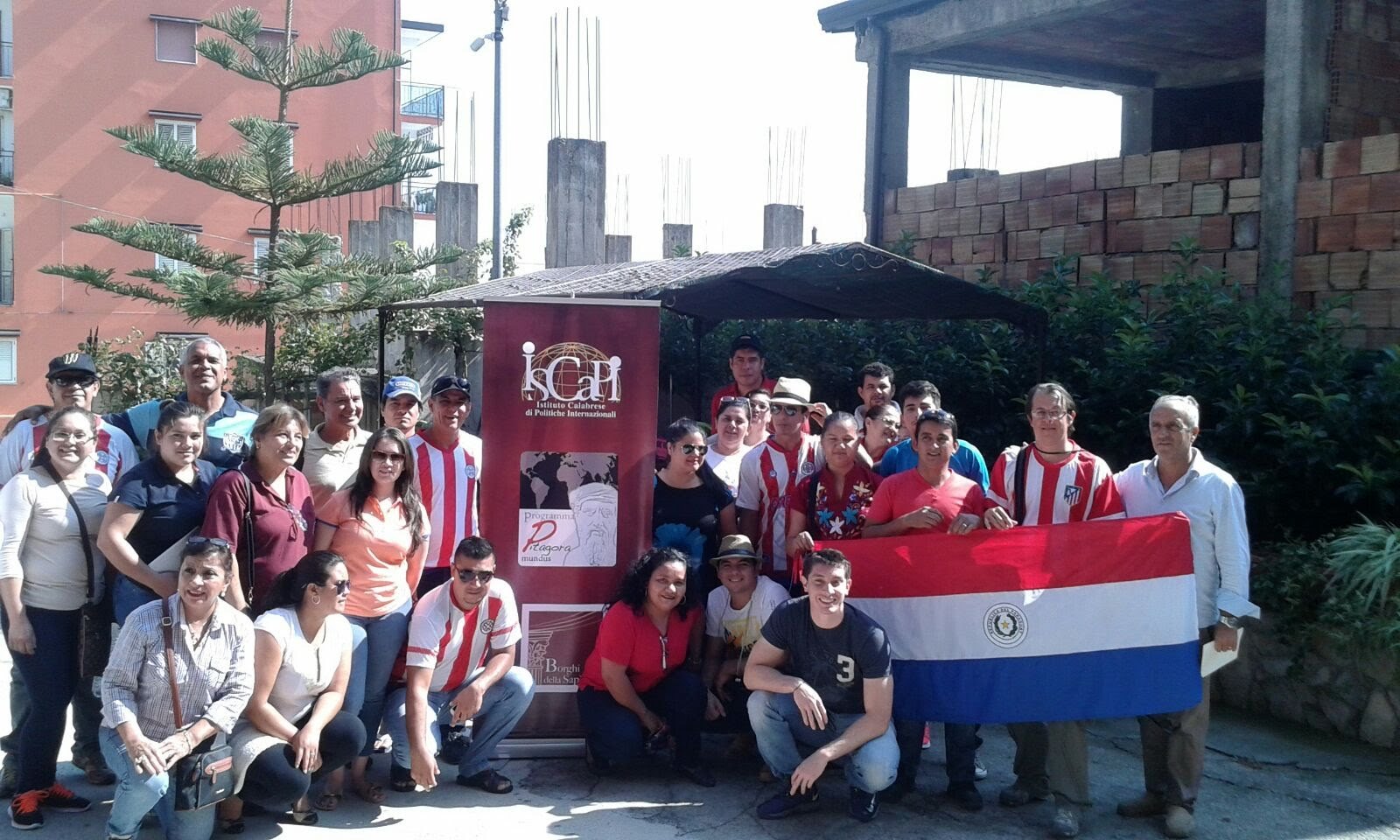
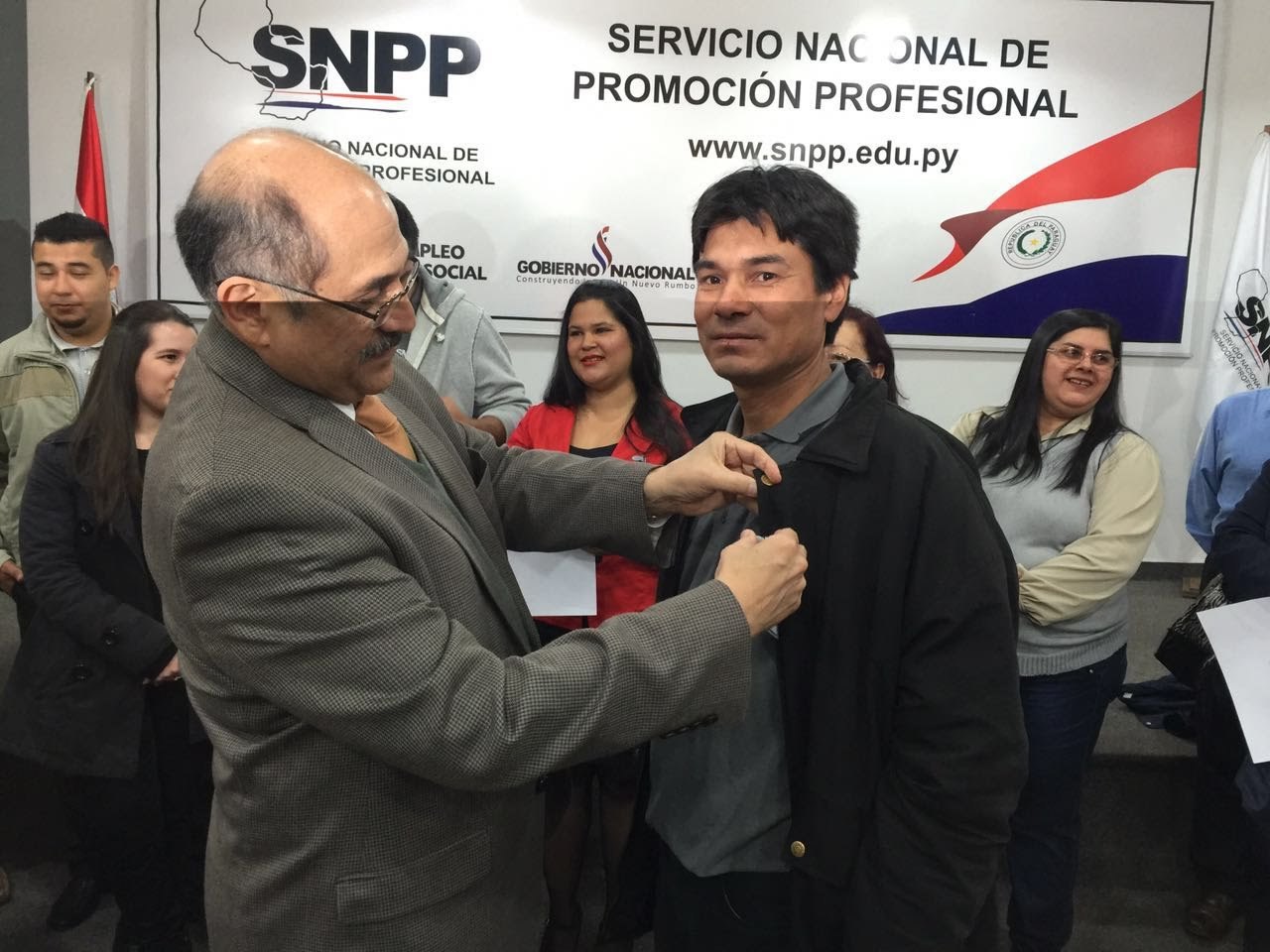
In 2016 the scholarship holders of the Servicio Nacional de Promoción Profesional (SNPP) arrived in Calabria: a month in Santa Severina to learn Italian, then two months at the IIS “Luigi Einaudi” in Palmi, on the agriculture and tourism courses, hosted by the school under the agreement signed with l'IsCaPI in April 2016.

The group of Paraguayan scholarship holders with l'IsCaPI in Calabria
The Paraguayan group in Calabria with l'IsCaPI
Ceremony at the SNPP headquarters in Paraguay
A ceremony at the SNPP headquarters
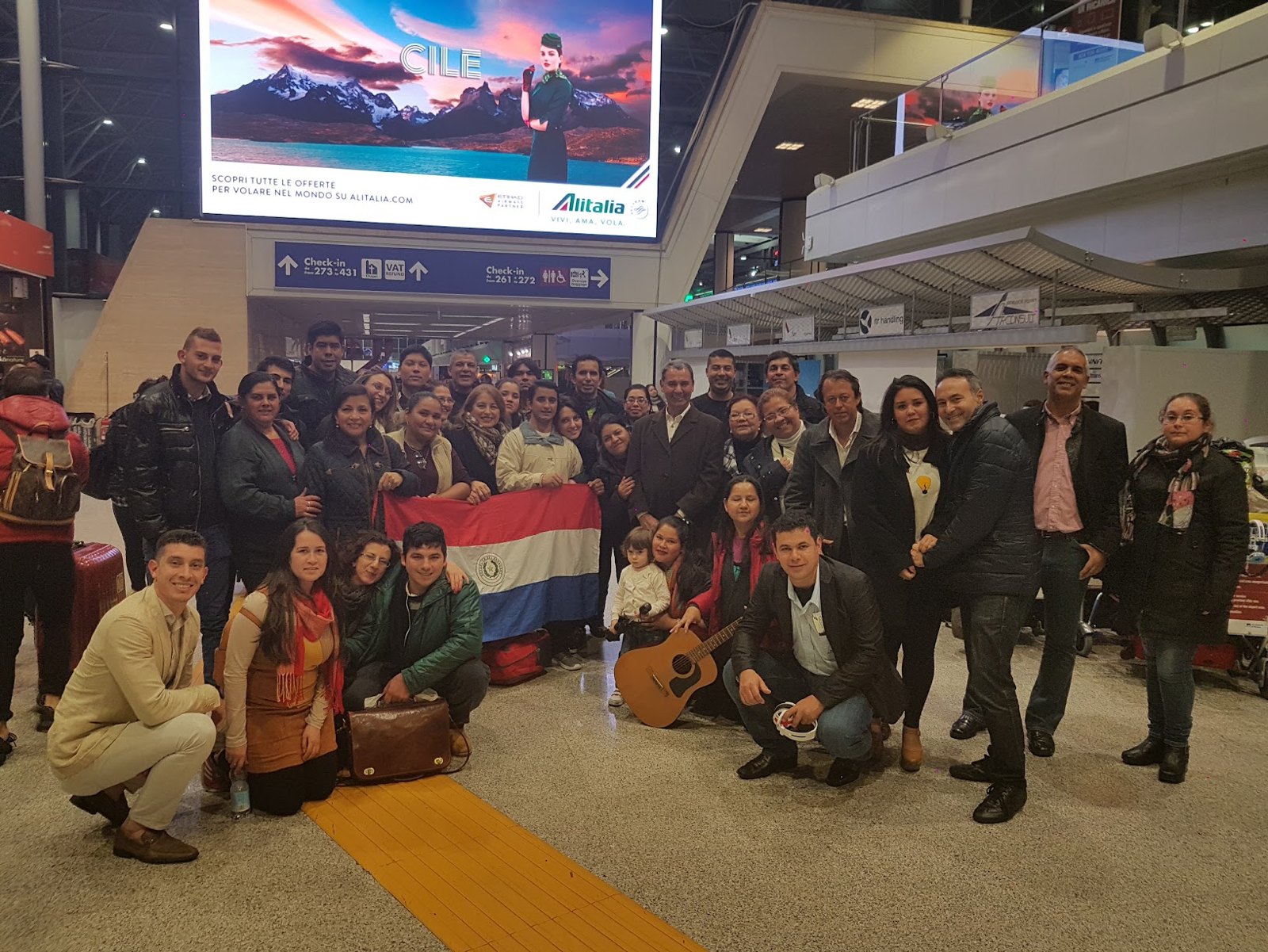
The Paraguayan group at the airport
The group at the airport
The Paraguayan group at the IIS Einaudi in Palmi
At the IIS “Luigi Einaudi” in Palmi

Mondinsieme: migration, school, interaction.

The Programme's school network gave rise to two national seminars on the integration of foreign pupils and intercultural education, promoted with the Regional Education Office for Calabria and the Ministry of Education's national observatory. The lead school of the Pitagora Mundus network was the IIS in Diamante; l'IsCaPI organised the events. School heads, teachers, mayors, students and migrants discussed reception, minorities, small towns and global citizenship.

2016

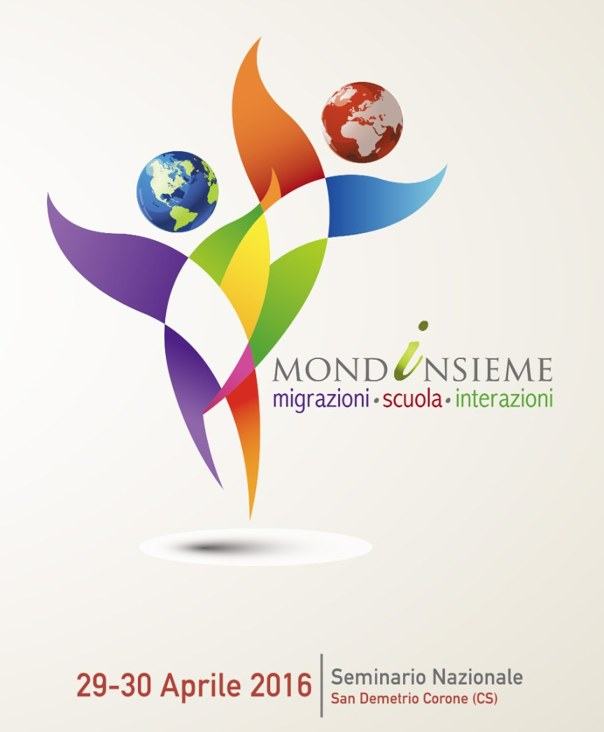
San Demetrio Corone (Cosenza) · 29-30 April

Old and new minorities in dialogue.

At the Collegio di Sant'Adriano, in the heart of Arbëreshë culture, the first seminar brought Calabria's historic minorities into dialogue with those formed by new migration, with five working groups: old and new minorities, exchanges between the Villages of Wisdom and the cities of the world, service learning, integration and territory, the reception of unaccompanied foreign minors and refugees.

Arbëreshë choirs from the schools of San Demetrio Corone, San Giorgio, Santa Sofia d'Epiro and Vaccarizzo Albanese opened the proceedings. At the Programme's table, mayors and teachers from Santa Severina, Scigliano and Sant'Agata d'Esaro told the story of its first years, together with a Kurdish student from the school in Diamante.
2017

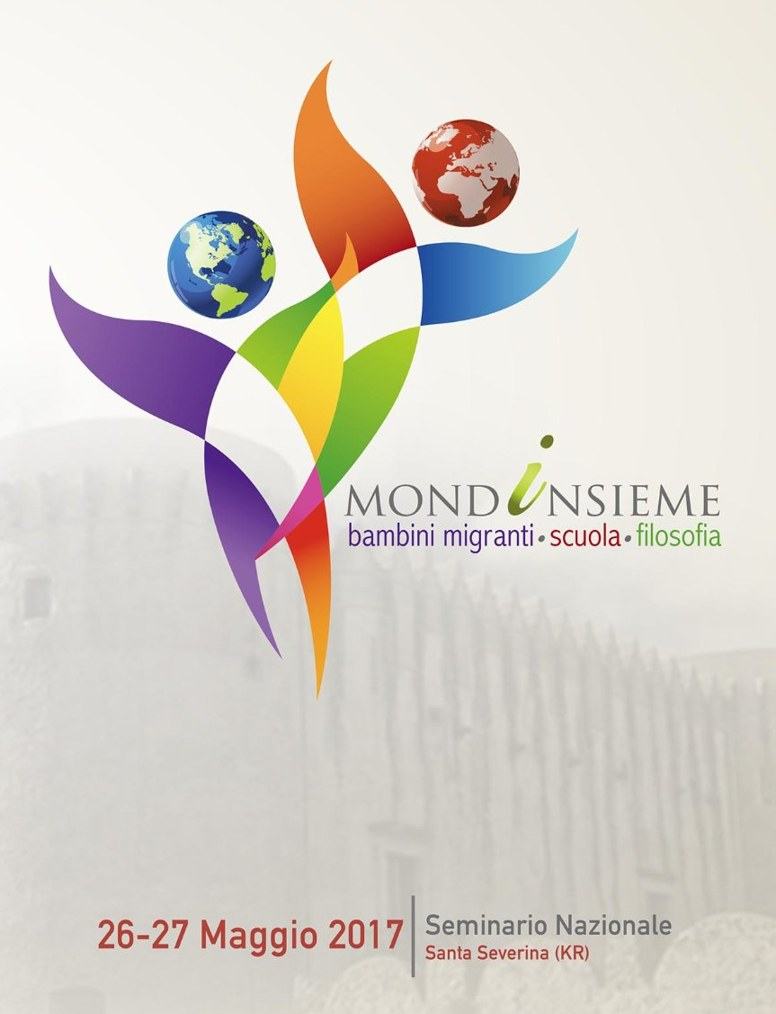
Santa Severina (Crotone) · 26-27 May

Migrant children, school, philosophy.

At the Castle of Santa Severina, the village where the Programme began, the second national seminar brought together more than thirty speakers from Calabria, Tuscany, Emilia-Romagna, Lombardy, Basilicata, Abruzzo, Lazio, Piedmont and Sicily: regional education offices, adult education centres, municipalities, associations, philosophers and students, including young people who had arrived in Italy as unaccompanied minors.

Four working groups: the reception of unaccompanied foreign minors, philosophy and migration, the places of small towns, global citizenship and sustainable development. School choirs from the area opened the proceedings; a storyteller's concert on emigration and immigration in the South closed them.

Training seminars

When school meets the world.

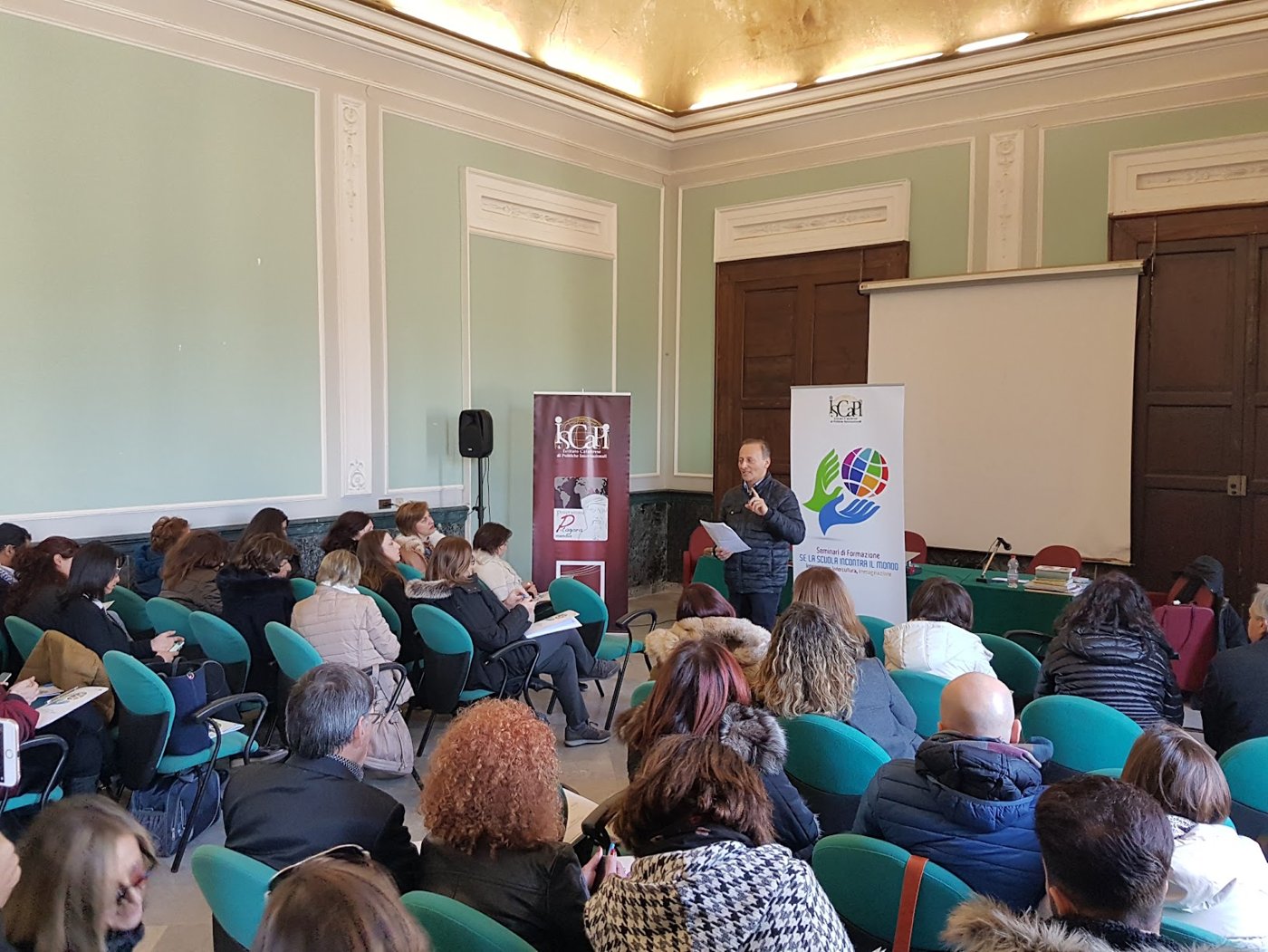
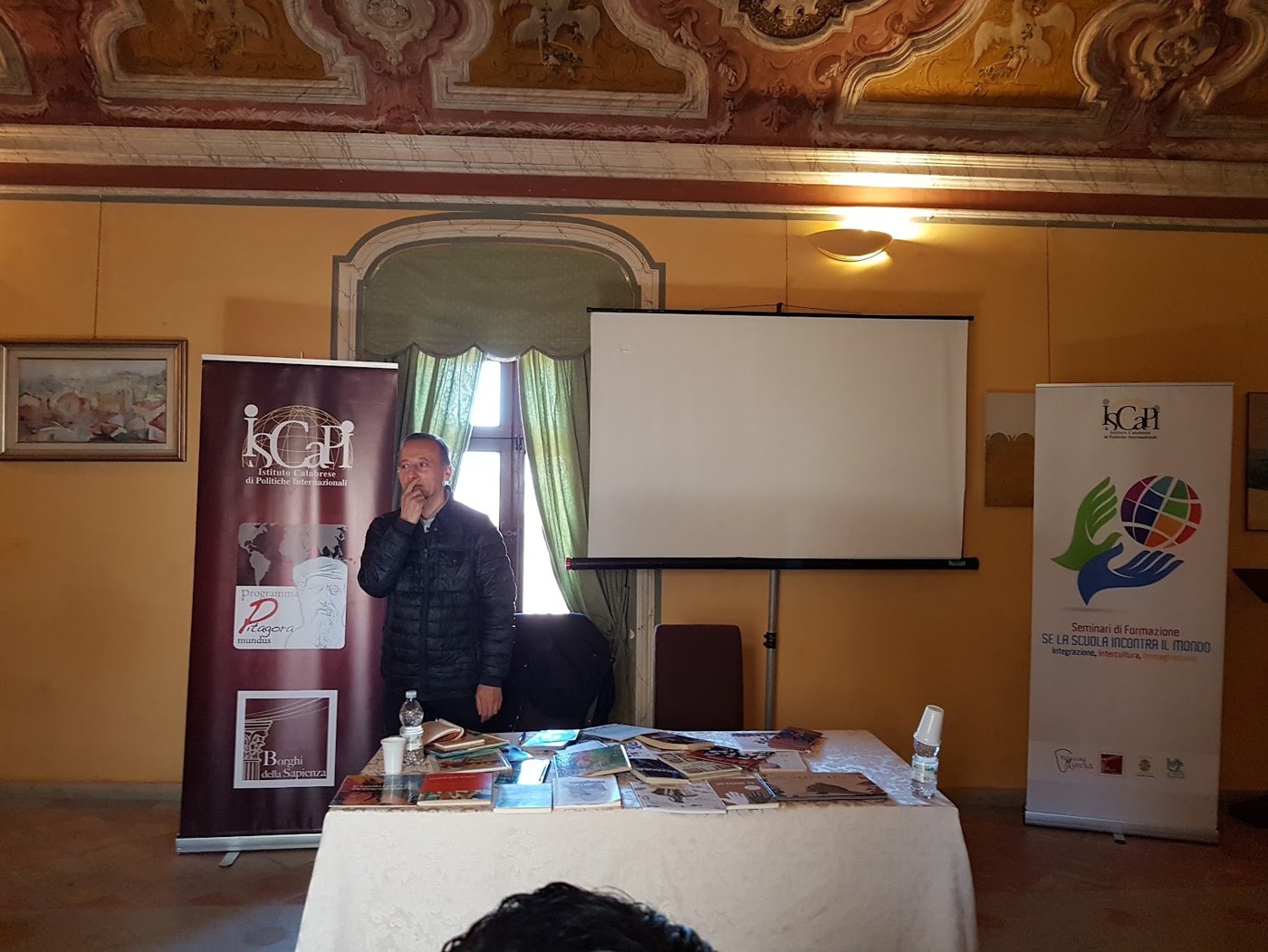
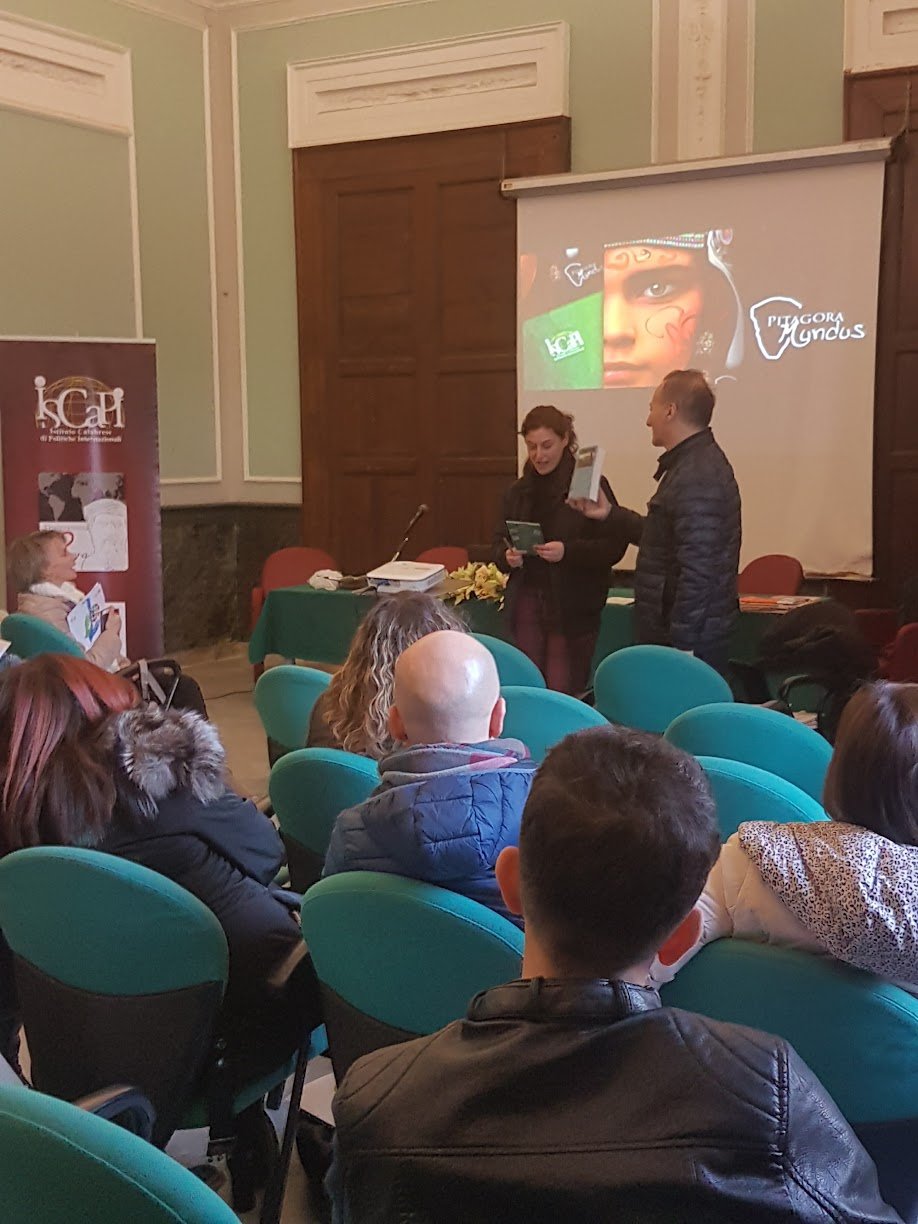
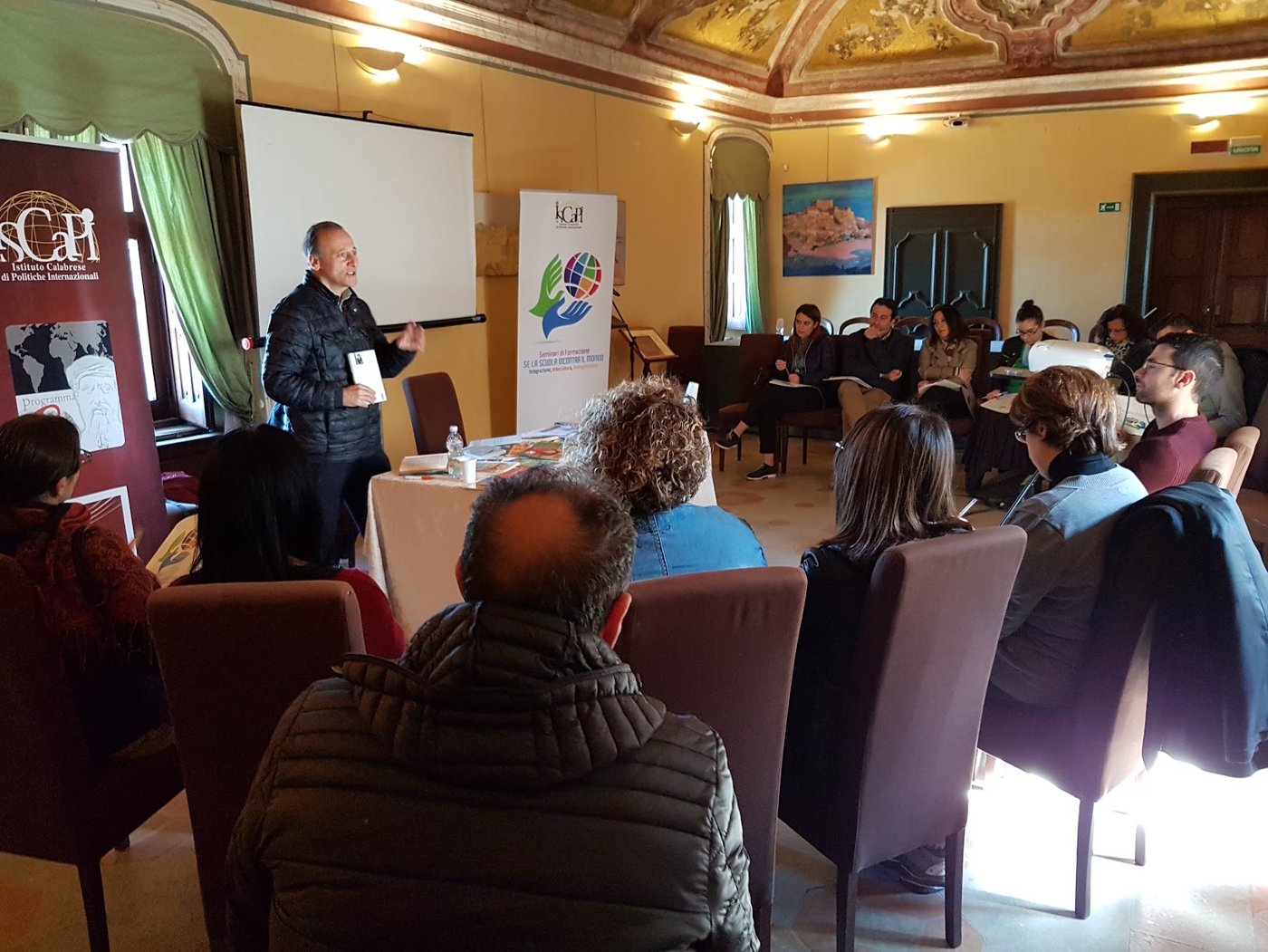
“Integration, interculture, imagination”: this is the subtitle of the series of training seminars that l'IsCaPI organised in Cosenza and Santa Severina in collaboration with the Regional Education Office for Calabria.

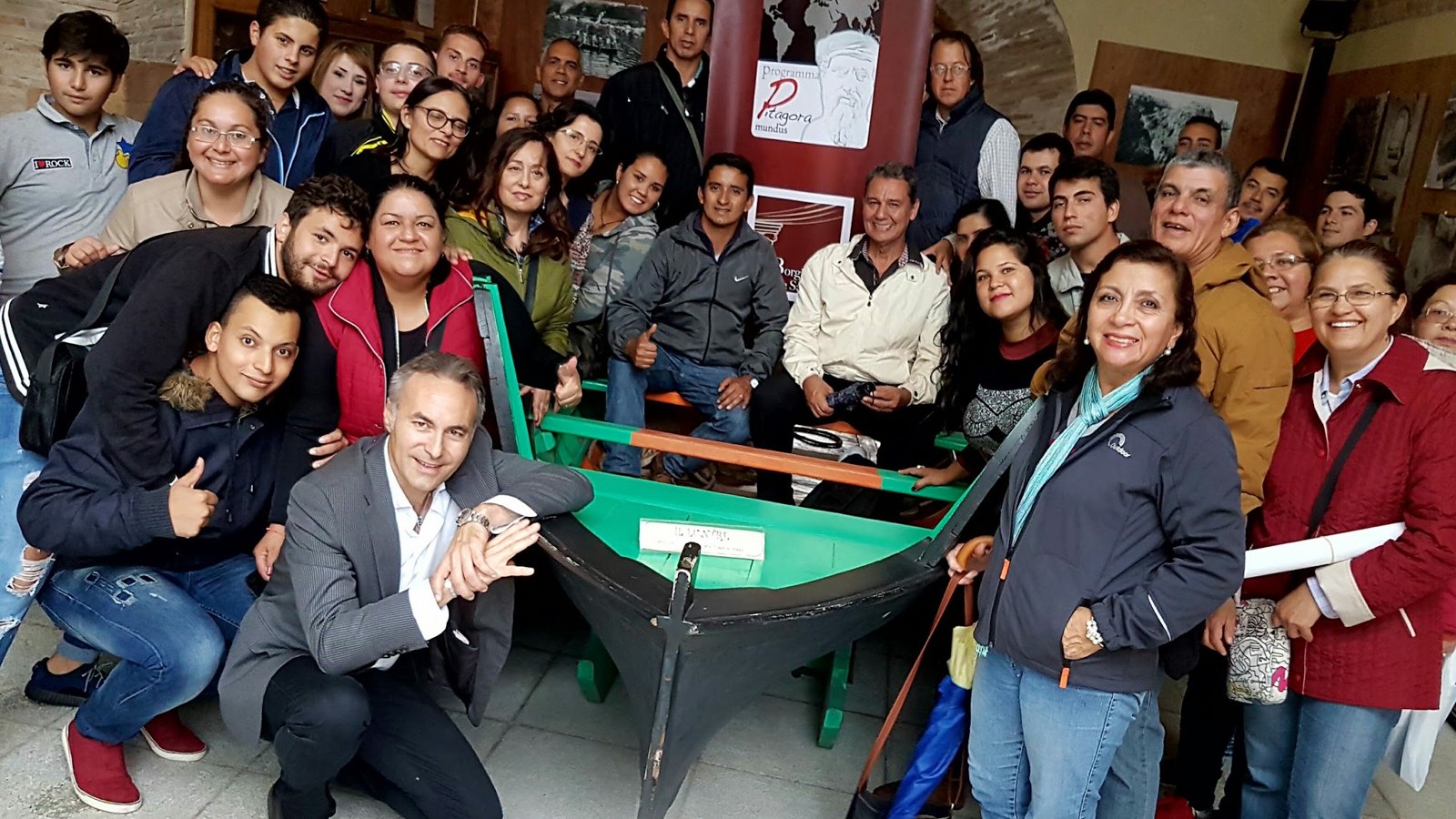
A meeting in the series, in the frescoed hall
A plenary session of the seminar
The table with the seminar's books and materials
Handing out the Programme's materials

Images

In the classroom, in the greenhouse, in the square.

Lessons, agricultural workshops, public meetings and celebrations of the students hosted in Calabrian schools.

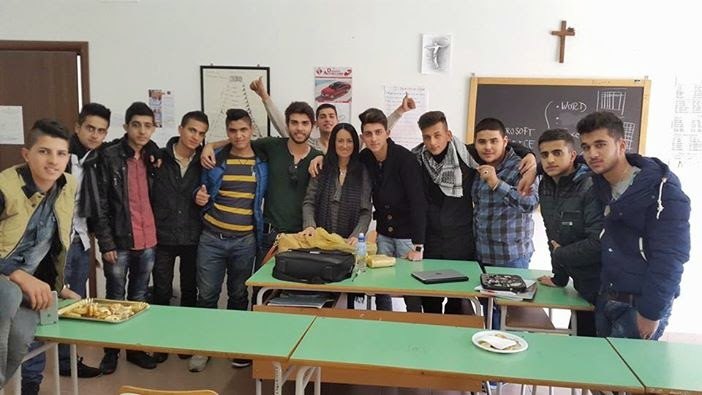
In class, at the end of the course
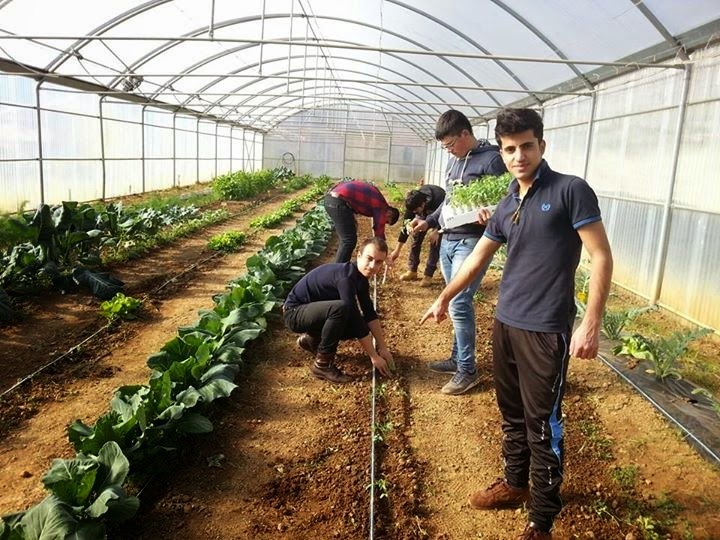
In the greenhouse: transplanting seedlings
A public meeting
A public meeting
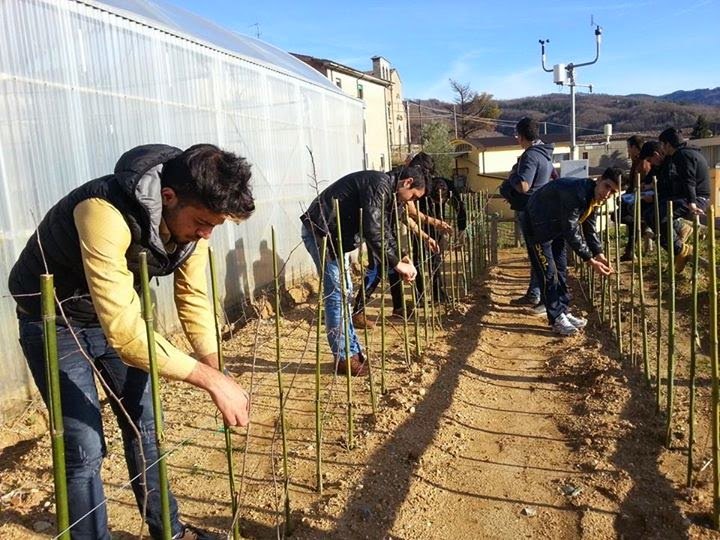
In the vineyard: tying the vines to their stakes
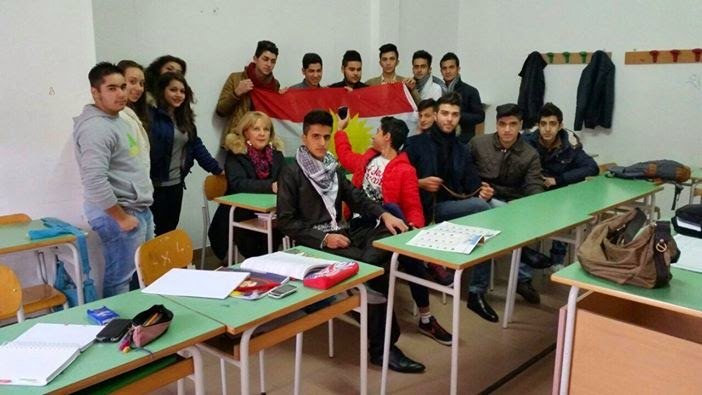
The class with the flag of Kurdistan
Out in the local area
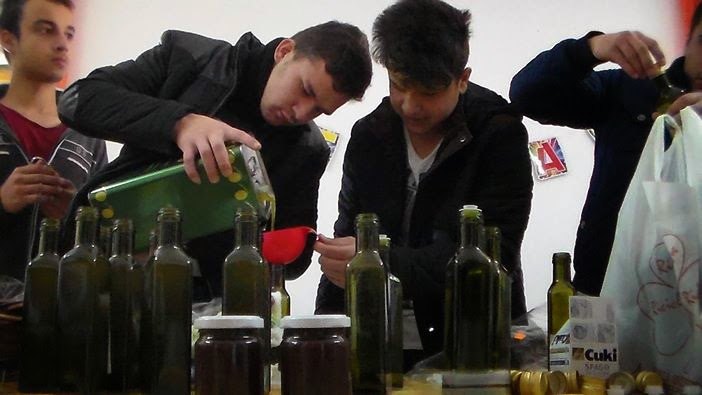
Workshop: bottling olive oil
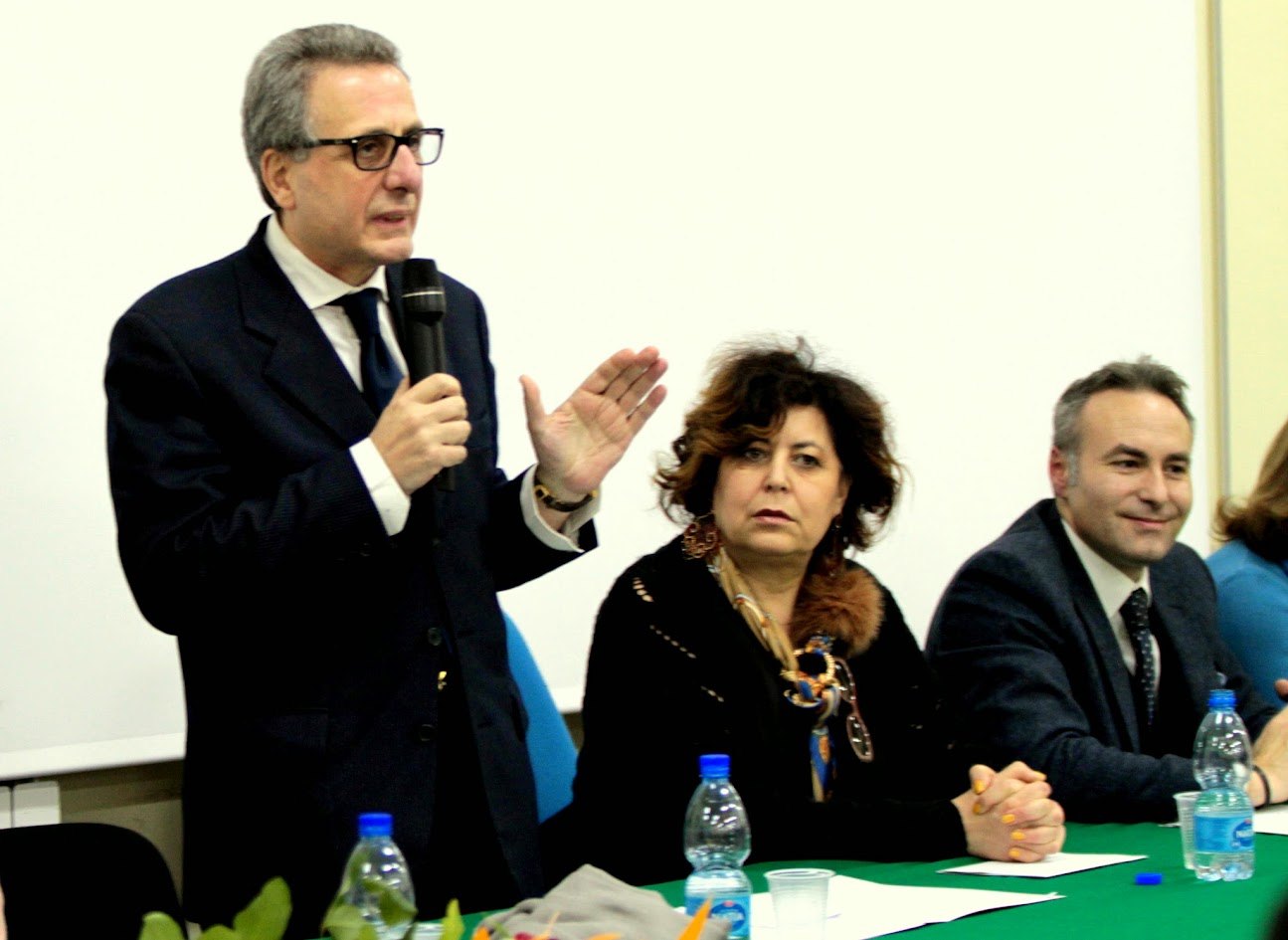
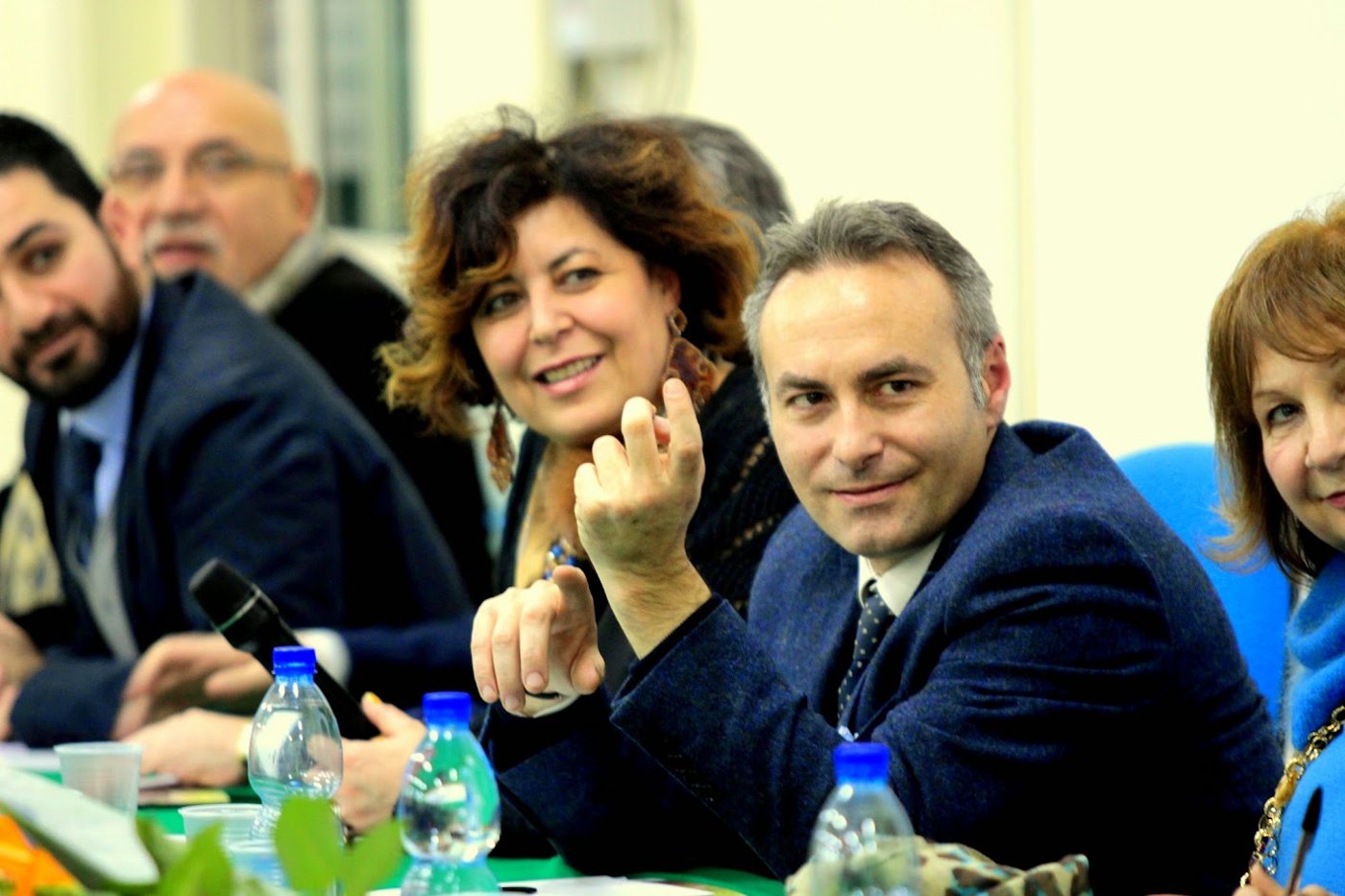
At the speakers' table
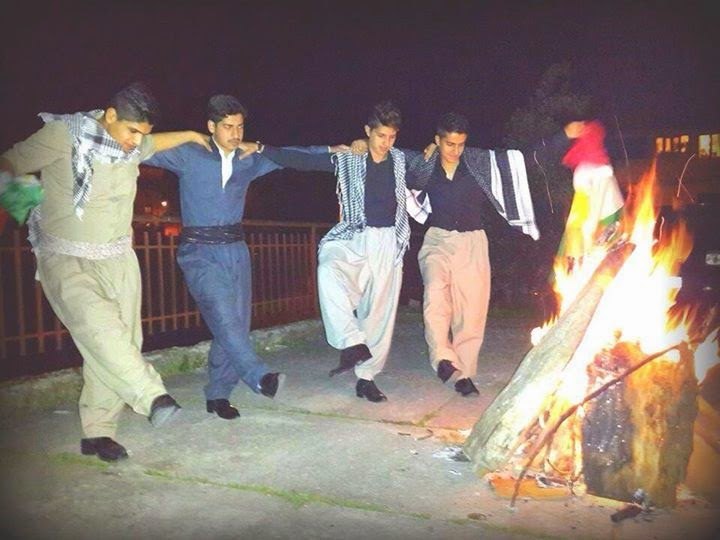
Traditional Kurdish dance around the fire

From the archive.

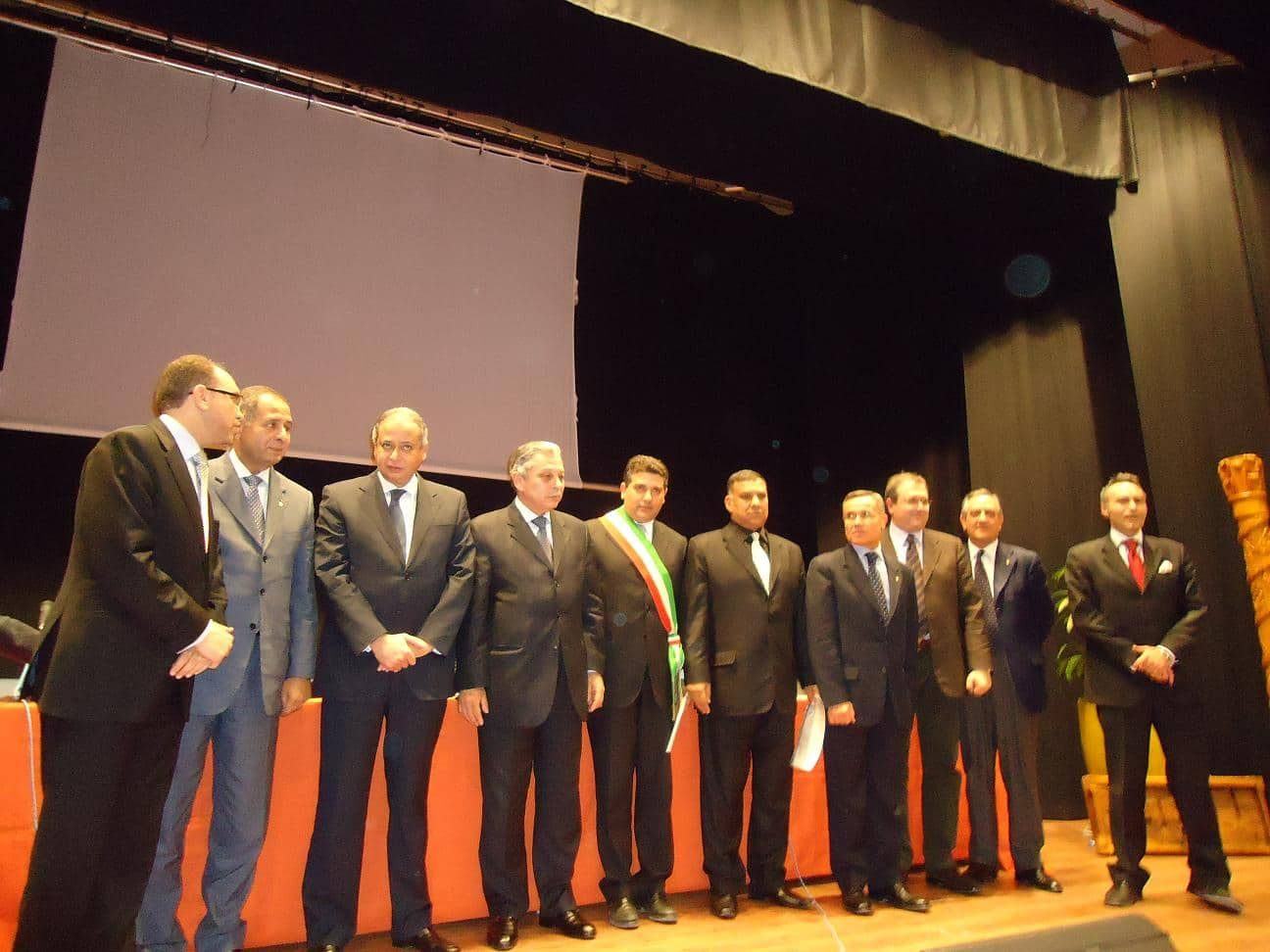
With the Ambassador of Egypt
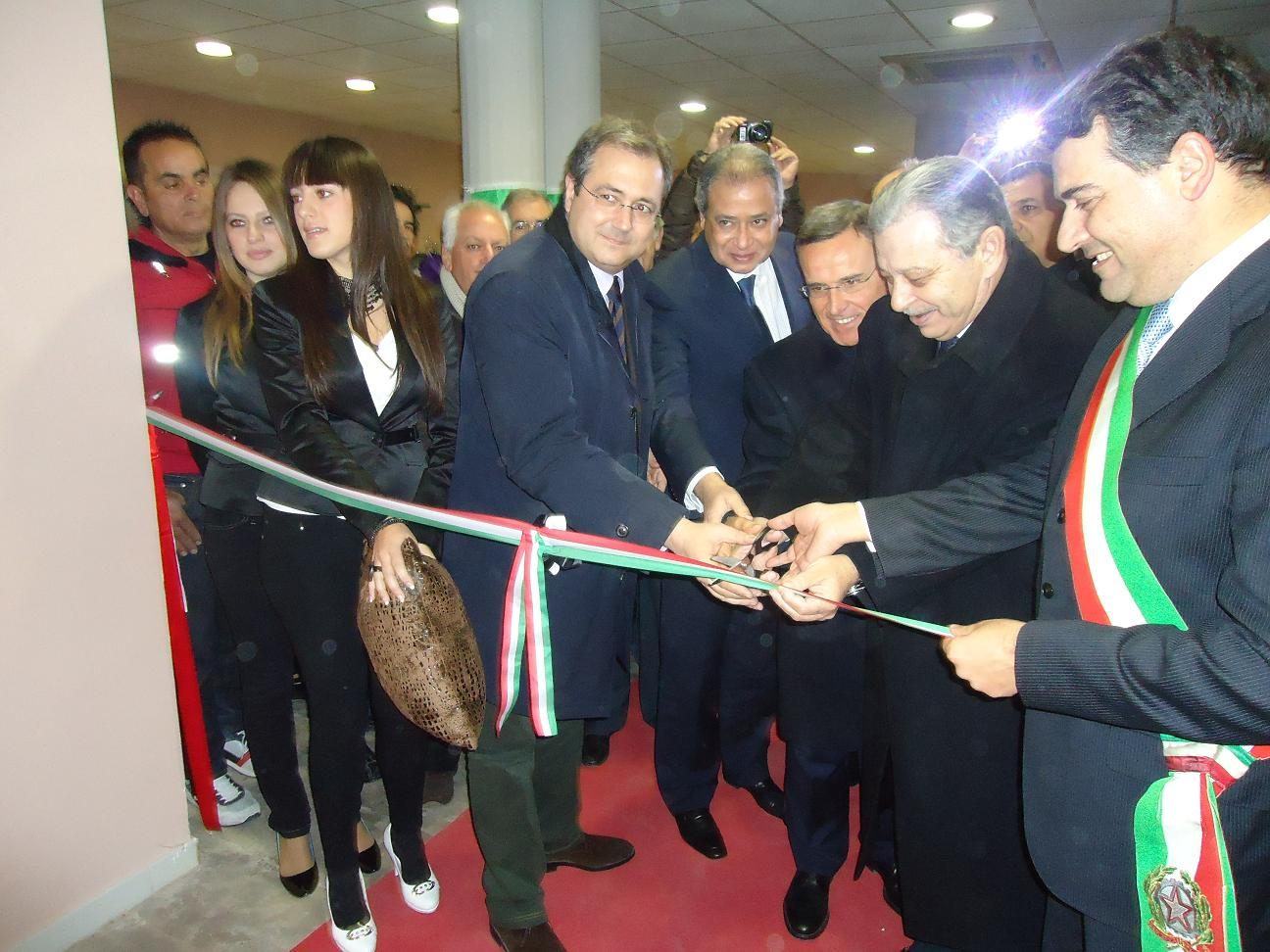
The Governor of Damietta at the opening
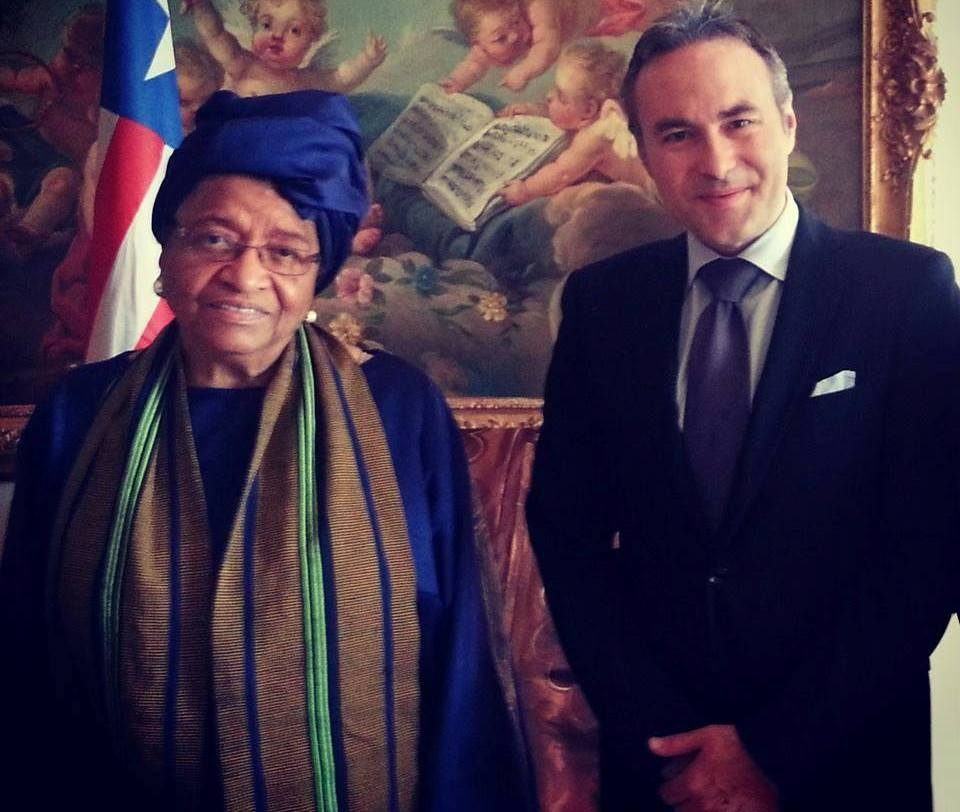
The President of Liberia with the President of l'IsCaPI
Meeting with the Embassy of Iraq, 2014

Beauty · Utopia · The pursuit of happiness

In Calabrian schools beauty was the craft: wood, gold, earth and mechanics learned in the workshop alongside Italian classmates. The utopia was cooperation between states based on training young people rather than on aid. The happiness sought was a professional future for 16-to-19-year-olds and, for schools in small towns, classrooms filling up again.

Back